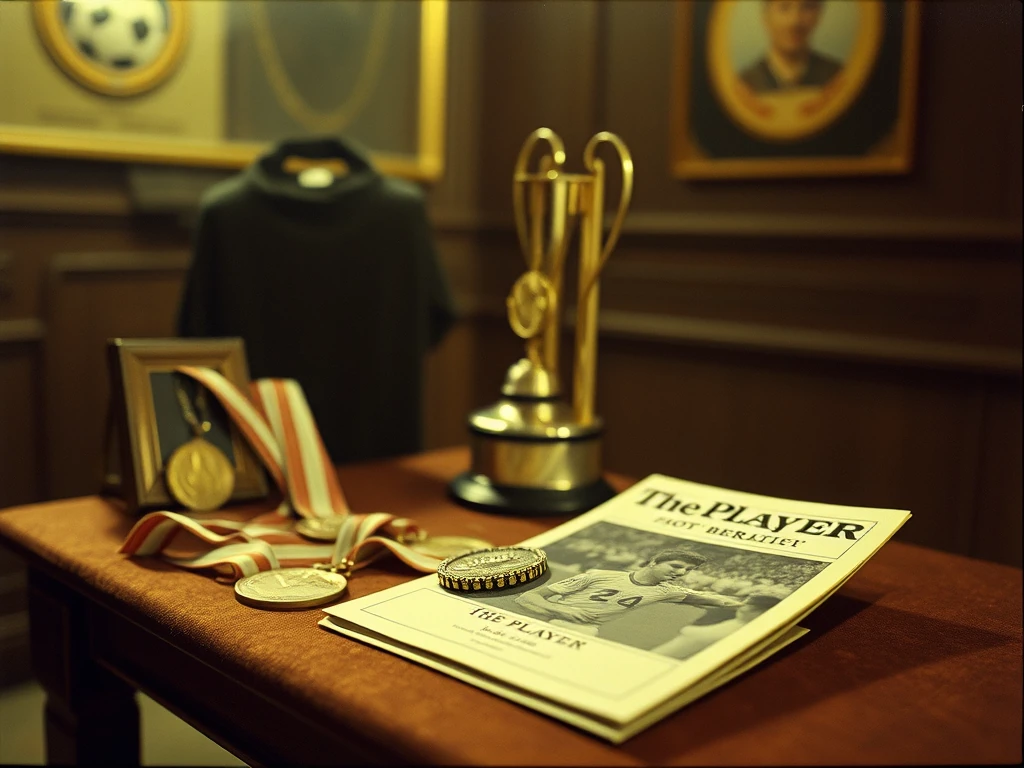
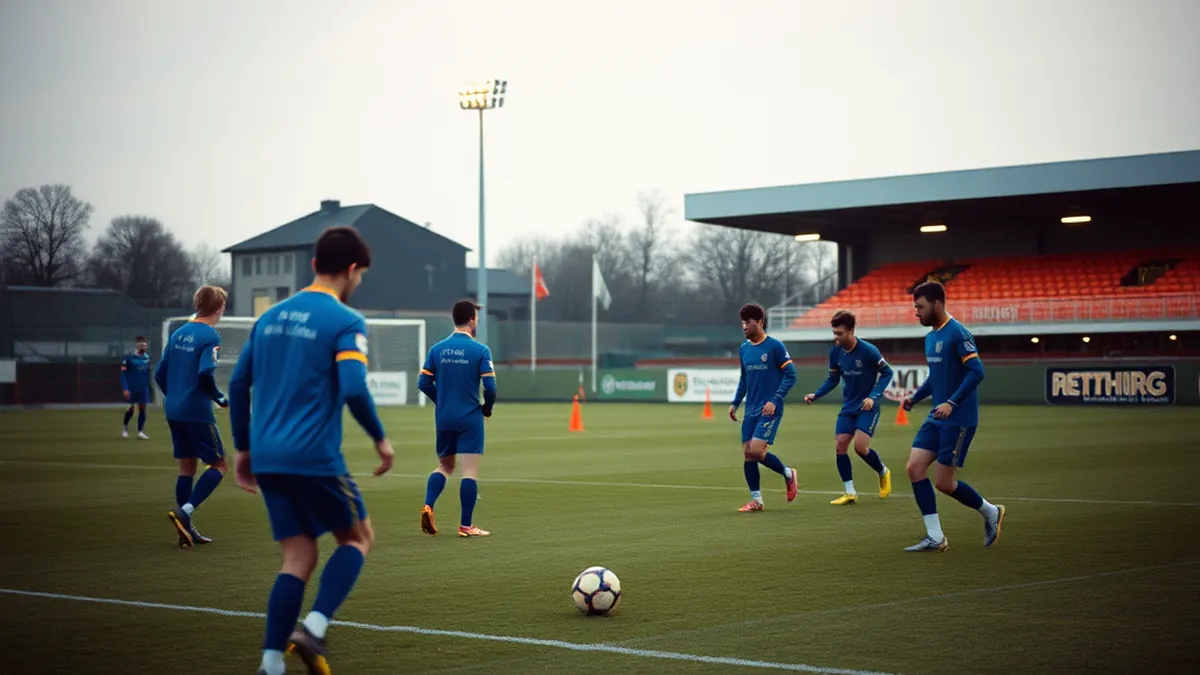
The 1970s were a key decade for women's football in England, and Brighton & Hove Albion Women played a key role in this major era. Established in the early part of the decade, the team quickly garnered attention and respect, not only locally but across the country. The Seagulls were among the trailblazers, representing a burgeoning movement that sought to elevate women's football from the shadows into the mainstream sporting conversation.
In 1971, Brighton's women's team began competing in local leagues. The squad's early matches drew crowds that were rare for women's games at the time. Players like Linda Smith and Christine Smith became household names within the local football scene and inspired a generation of young girls to take up the sport.
The team's commitment to excellence led them to participate in the inaugural Women's FA Cup in 1970. Though the competition was still in its infancy, Brighton's involvement signified a commitment to competing at higher levels, and they made a notable run in the tournament. The excitement surrounding these matches helped to raise awareness and encourage further investment in women's football, both in Brighton and beyond.
Local rivalries began to form as the team's success grew, and matches against teams like Lewes and Chichester City became hotly contested affairs, drawing enthusiastic crowds. These fixtures were more than just games; they were community events that brought people together, fostering a sense of belonging and pride among local supporters. The atmosphere was electric, as families gathered to cheer on the Seagulls, igniting a passion for the sport that would endure for decades.
As the decade progressed, the landscape of women's football began to shift. The establishment of the Women's Football Association in 1993 and the subsequent introduction of the Women's Premier League in 1991 were monumental in providing a more structured environment for teams like Brighton. However, the groundwork laid in the 1970s was undeniable, as the seeds of commitment and passion planted by those early players began to flourish.
The Seagulls' journey throughout the 1970s is a sign of the resilience and tenacity of the players who donned the blue and white stripes. Their pioneering spirit not only helped to propel Brighton into the national conversation but also laid the foundation for the successful club we know today. As current players take to the pitch at Broadfield Stadium, they do so with the knowledge that they stand on the shoulders of giants-those who fought for recognition, equality, and the right to play the beautiful game.
Today, as Brighton & Hove Albion Women compete in the Women's Super League, they do so with a rich legacy behind them. The passion that ignited in the 1970s continues to burn brightly, as the Seagulls aim to inspire future generations to dream big and reach for the stars in women’s football.