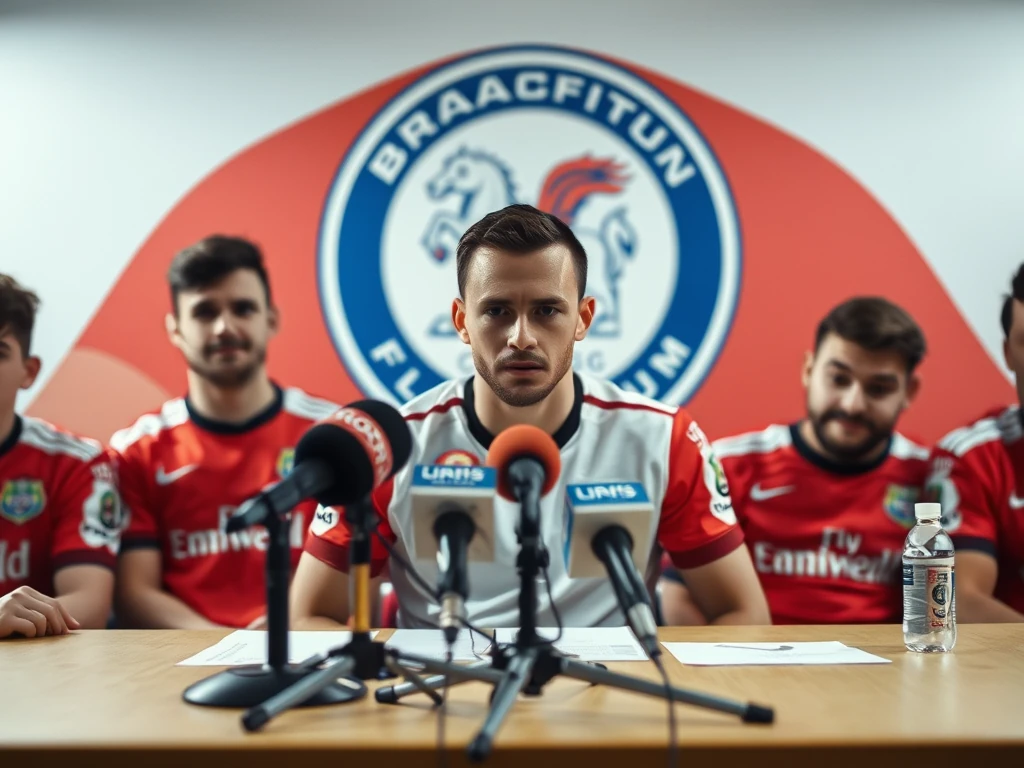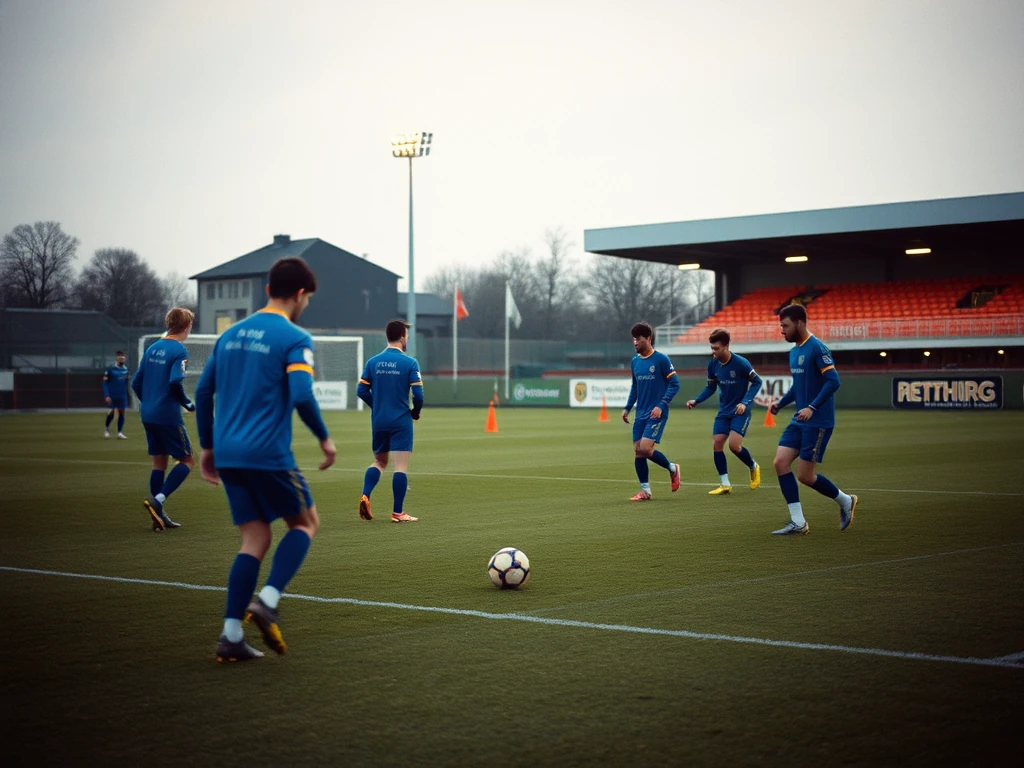
In the heart of Sussex, the evolution of Brighton & Hove Albion Women throughout the 2010s is a significant chapter in the club’s history. The decade began with grassroots initiatives and community involvement that laid the groundwork for success, but it wasn’t until the key year of 2018 that the Seagulls truly began to soar in the professional arena.
The journey towards professionalism for Brighton Women can be traced back to the ambitious plans initiated by the club’s management and the passion of its supporters. In 2014, after a solid foundation in the FA Women’s Premier League, the club began to invest in its women’s team, setting a course towards professional status. This ambition became increasingly apparent as the team showed competitive spirit, clinching the FA Women’s Premier League Southern Division title in 2017 and earning promotion to the FA Women’s Super League (WSL).
However, the true turning point came shortly after that promotion. In 2018, Brighton & Hove Albion Women officially transitioned to a fully professional setup, an achievement that resonated deeply within the community and inspired a new generation of players. This major leap not only enhanced the club’s competitiveness but also solidified its commitment to nurturing talent, providing players with the resources and support necessary to thrive at the highest level.
The 2018-2019 FA WSL season became a sign of the club’s newfound professionalism. With a blend of experienced players and emerging talents, the Seagulls faced off against some of the best teams in the country. The campaign was marked by key performances that showed the team's resilience and tactical evolution, steering them to respectable finishes in their debut season at the top tier.
Throughout this decade, Brighton Women cultivated a loyal fanbase that echoed the club's ambitions. The supporters played an integral role by attending matches at Broadfield Stadium, creating an atmosphere that uplifted the players and fostered a sense of community. Their unwavering dedication was evident during key fixtures, where the stands were filled with vibrant colours and chants that celebrated the Seagulls’ journey.
As the decade progressed, Brighton’s influence within women’s football continued to grow. The club focused not only on immediate results but on building a sustainable model that emphasized youth development and community engagement. Initiatives were launched to encourage young girls to take up football, ensuring that the next generation had the opportunity to follow in the footsteps of their heroes on the pitch.
By the close of the 2010s, Brighton & Hove Albion Women had successfully established themselves as a formidable force in the WSL, with aspirations that extended beyond the league. Their journey embodies the spirit of determination and growth within women’s football.
As we look back on this remarkable decade, it’s clear that Brighton Women’s rise to professionalism was not merely a change in status; it was a commitment to excellence that continues to inspire fans and players alike. This milestone not only transformed the club but also highlighted the importance of fostering talent and building a community around women’s football, setting the foundation for future successes and a legacy that will endure for years to come.